



Remember when having a website was considered innovative?
Well, buckle up, because B2B marketing in 2025 is about to make today’s “cutting-edge” strategies look like they belong in a digital museum. Here’s your roadmap to staying ahead of the curve.
Why 2025 Will Be Different
The B2B landscape is experiencing a perfect storm of change: millennial decision-makers, AI proliferation, and growing demand for consumer-grade experiences in business contexts.
Companies that adapt quickly will thrive; those that don’t risk becoming irrelevant.
Let’s dive into the five approaches that will define successful B2B marketing in 2025.
1. The Executive Media Machine
Transform your C-suite from corporate figureheads into revenue-generating content engines
Gone are the days when executive thought leadership meant quarterly blog posts and occasional conference appearances. Welcome to the era of the Executive Media Machine.
What It Looks Like:
- Personal brand amplification programs for key executives
- Strategic LinkedIn content calendars driven by data
- Executive podcast/video series that showcase authentic expertise
- Ghost-written thought leadership that actually sounds like your leaders
Success Story:
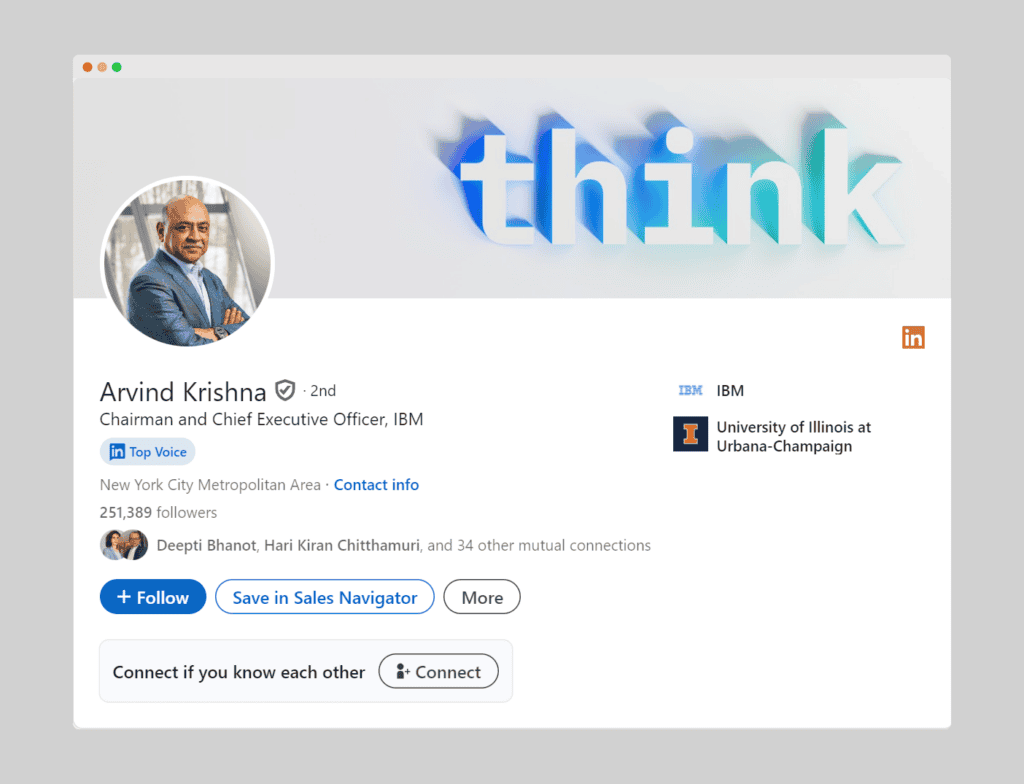
IBM has successfully leveraged executive thought leadership as part of its marketing strategy. By positioning its executives as industry thought leaders through various channels, including LinkedIn and media appearances, IBM has significantly enhanced its brand visibility and engagement. Their strategy includes regular content contributions from executives that showcase insights on technology trends and business strategies.
Implementation Tips:
- Start with one executive who naturally enjoys sharing insights
- Create a content capture system that requires minimal executive time (think 15-minute weekly brain dumps)
- Focus on one platform initially (LinkedIn typically works best for B2B)
- Measure influence-to-revenue pipeline, not just engagement
2. The Self-Serve Revolution
Because even enterprise buyers want Amazon-level convenience
B2B buyers in 2025 won’t tolerate lengthy sales cycles and mysterious pricing. They want to research, configure, and even purchase enterprise solutions at their own pace.
Key Components:
- Interactive ROI calculators
- Solution configurators
- Self-service purchasing portals
- Digital contract management
- Transparent pricing (yes, even for enterprise!)
The Numbers:
Early adopters report:
- 40% reduction in sales cycle length
- 60% increase in qualified leads
- 25% higher average deal size
- 30% lower customer acquisition costs
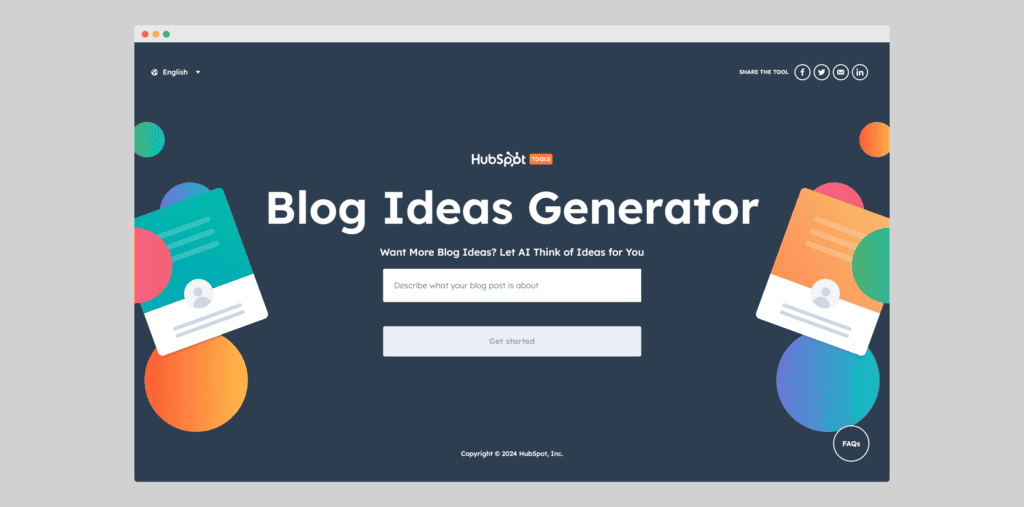
Case Study: HubSpot has embraced self-service tools by implementing interactive tools and self-service purchasing portals. Their approach aligns with the growing trend of transparency and convenience demanded by modern B2B buyers.
Challenge to Overcome:
Balance self-service with human touch. Create clear escalation paths to human experts for complex scenarios.
3. The Podcast Empire Strategy
Building your own Netflix for industry insights
While everyone else is still trying to crack the LinkedIn algorithm, forward-thinking B2B companies are building their own media networks.
Core Elements:
- Industry-specific podcast networks
- Cross-promotion strategies with complementary brands
- Content syndication across platforms
- Lead generation through value-first content
Monetization Approaches:
- Direct lead generation
- Sponsored content from partners
- Premium content subscriptions
- Event extensions
Real-World Impact:
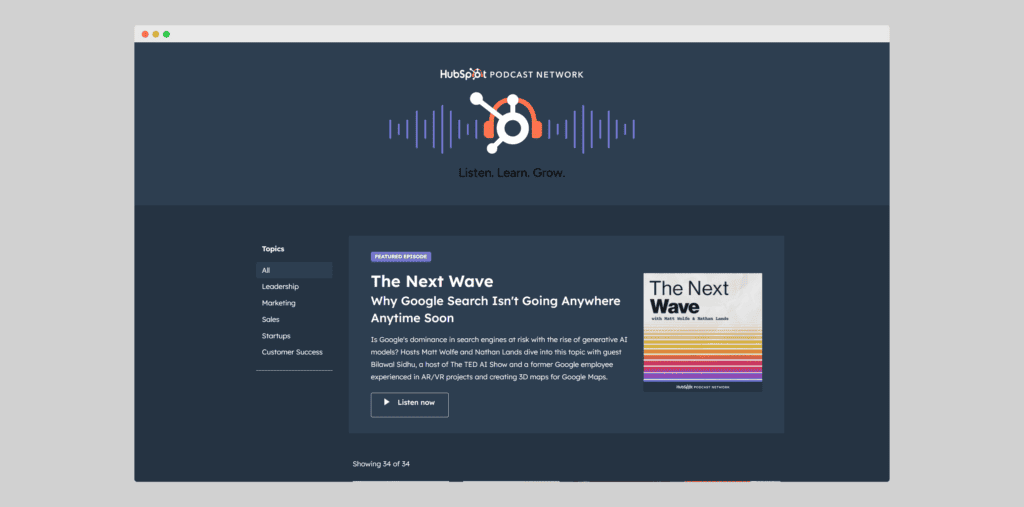
HubSpot’s podcast network generates over 25% of their new customer acquisitions, with listeners converting at three times the rate of blog readers. This demonstrates how creating dedicated media platforms can effectively engage audiences and drive leads.
4. The Living Proof Approach
Real-time case studies that build trust through transparency
Static PDFs are dead. Welcome to the era of dynamic, real-time success tracking.
Features:
- Live performance dashboards
- Interactive success stories
- Real-time result tracking
- Customer journey visualization
Implementation Framework:
- Select key metrics that matter to prospects
- Build data integration infrastructure
- Create narrative templates
- Implement privacy controls
- Design interactive interfaces
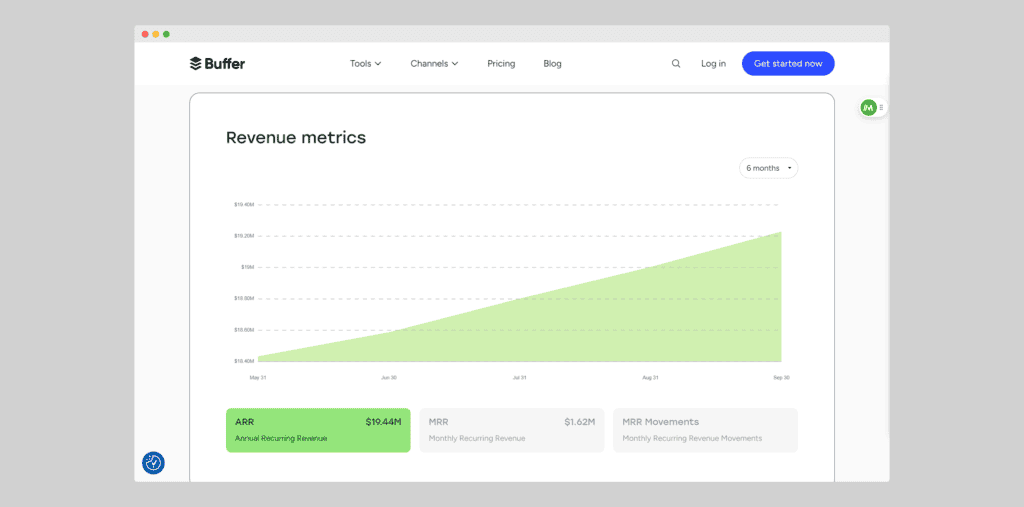
Case Study: Buffer, a social media management platform, is known for its transparent culture. The company publishes salary data, revenue figures, and the challenges it encounters, which has led to a 50% improvement in employee satisfaction. This openness creates an environment of honesty that attracts talent and retains customers, demonstrating how transparency can be a strategic advantage
Privacy Consideration:
Always anonymize sensitive data and get explicit customer permission for sharing.
5. The Hybrid Experience Model
Blending the best of digital and human interactions
The future isn’t purely digital or purely human – it’s a sophisticated blend of both.
Key Elements:
- AI-powered initial interactions
- Data-driven escalation points
- Human expertise at critical moments
- Seamless transition between digital and human touch
Technology Stack:
- Customer Data Platform (CDP)
- AI Conversation Engine
- Predictive Analytics
- CRM Integration
- Meeting Scheduling Automation
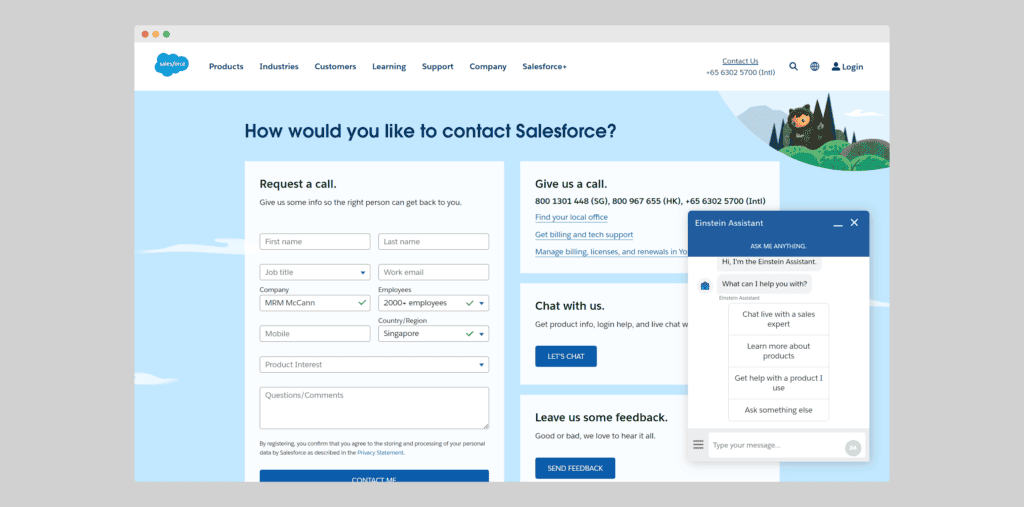
Case Study: Salesforce exemplifies this model by integrating AI-powered chatbots for initial customer interactions while ensuring seamless transitions to human experts for complex inquiries. This combination enhances customer satisfaction and efficiency.
Success Metrics:
- Customer satisfaction scores
- Resolution time
- Conversion rates
- Resource utilization
- Revenue per interaction
The Bottom Line
The future of B2B marketing is more human, more efficient, and more buyer-centric than ever before. Success in 2025 will belong to organizations that start implementing these approaches now rather than waiting for them to become industry standards.
Remember: The goal isn’t to implement all five approaches simultaneously. Start with the one that best aligns with your current capabilities and customer needs, then build from there.
What’s your take on these trends? Are you seeing any early indicators of these shifts in your market? Let’s continue the conversation in the comments below.